Ion-channel biophysicsResearch preview
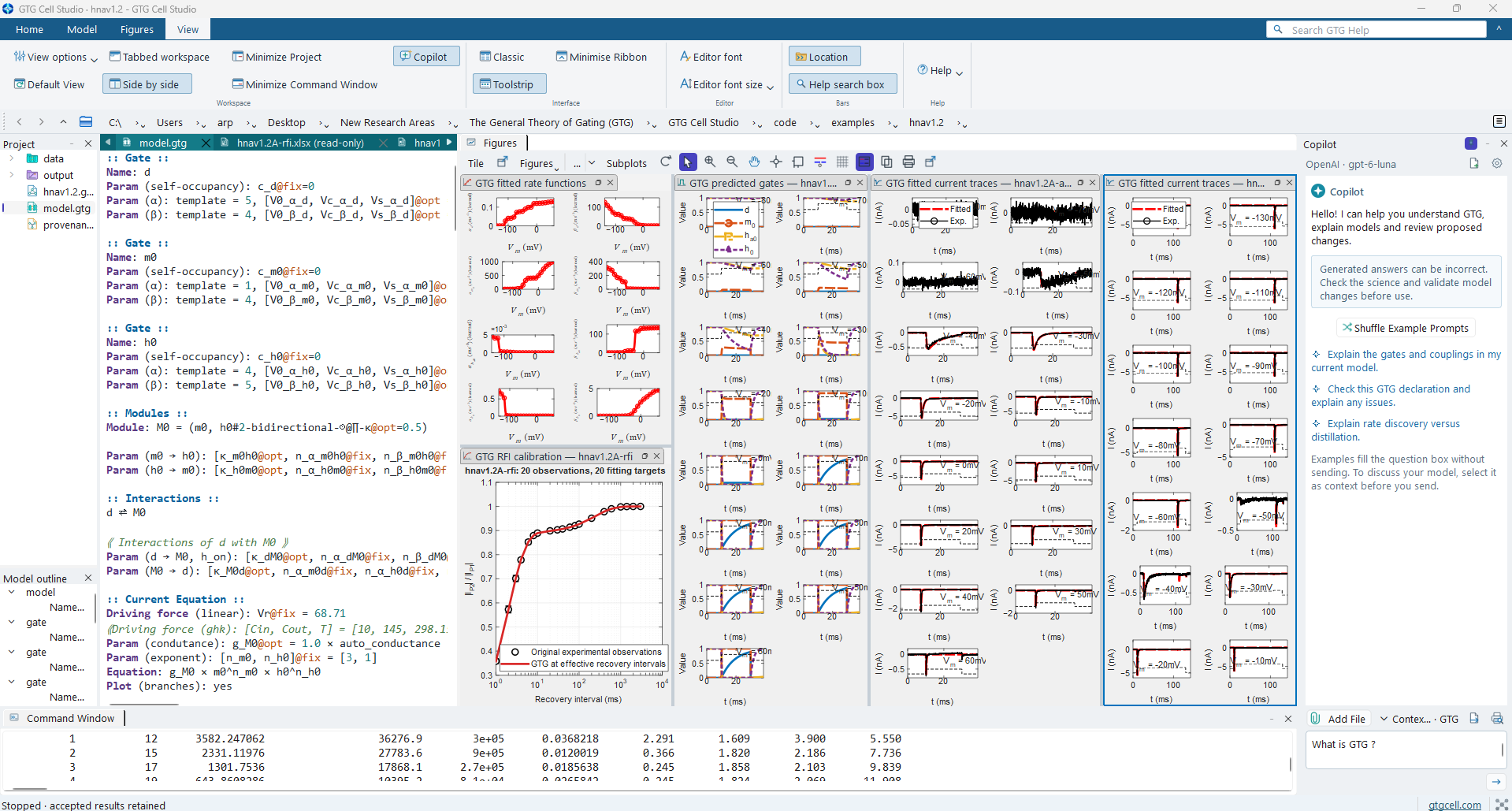
The General Theory of Gating
A compositional theory of human ion-channel dynamics, realised through a modelling language, compiler and GTG Cell Studio.
I develop mathematical theories and the computational tools that make them testable—from human ion channels and glial signalling to nonassociative algebra.
The published gHH framework provides a foundation for the General Theory of Gating.
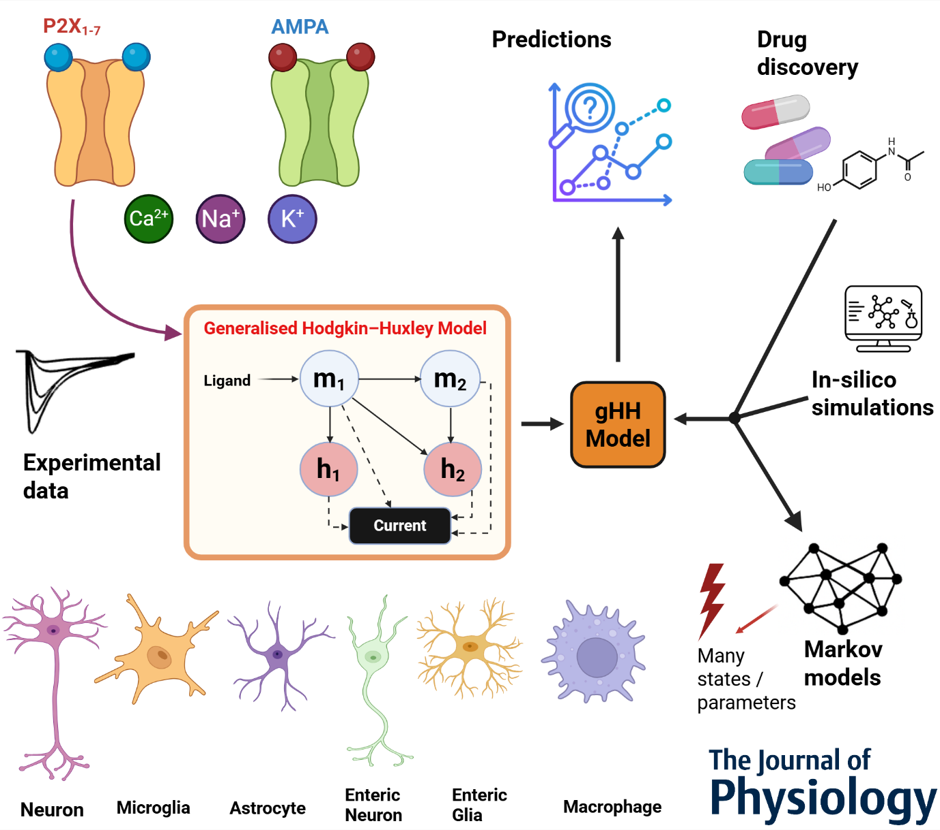
Overview of the published gHH framework and its applications to receptors, physiology and downstream modelling.
Poshtkohi & Gulbransen, The Journal of Physiology.
Pentarnion research connects nonassociative structures, geometry and differential equations.
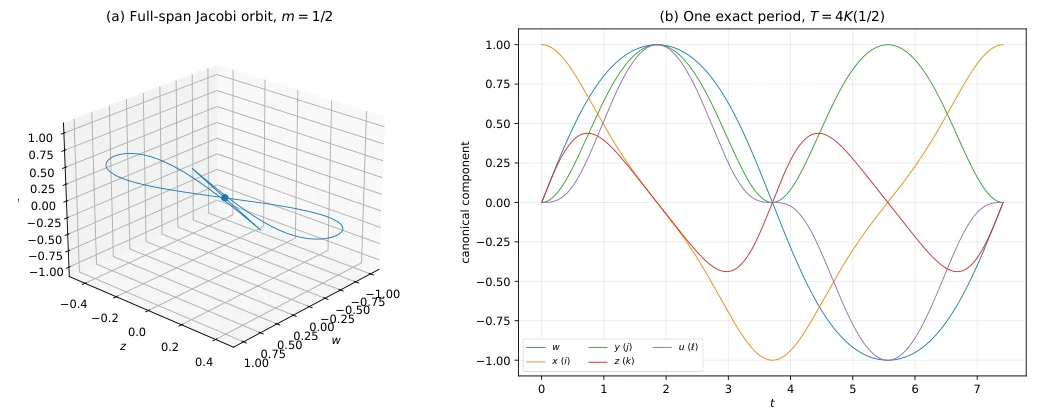
Exact elliptic solution · mathematical preprint, Fig. 7.1.
Poshtkohi & Pumplün · arXiv:2610.34202.
Developing original frameworks, investigating their consequences and building the environments needed to explore them.
A compositional theory of human ion-channel dynamics, realised through a modelling language, compiler and GTG Cell Studio.
Five-dimensional nonassociative algebra, geometry and nonlinear dynamics—with Pentarnion Studio for computational exploration.
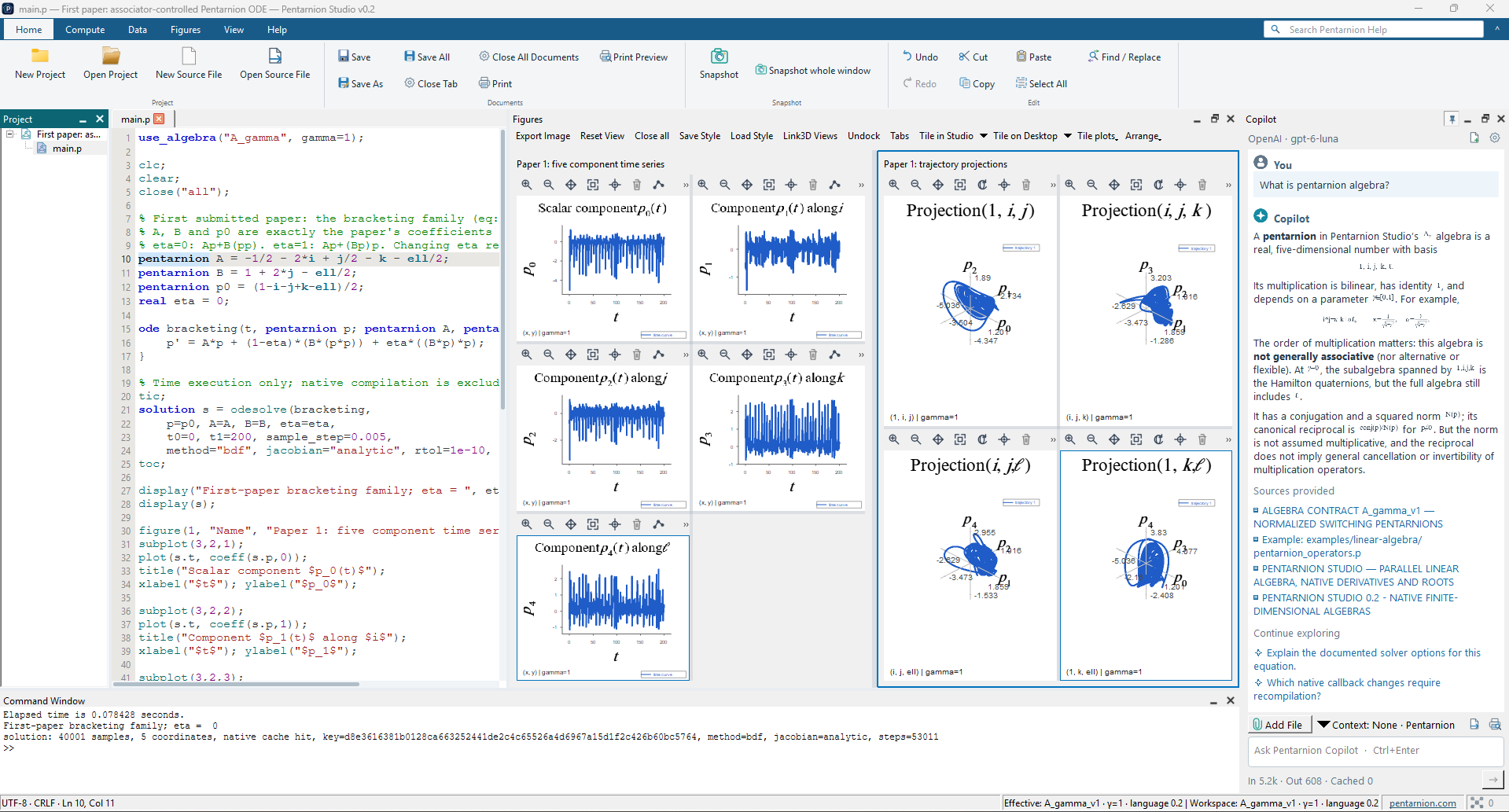
Questions arising from generalising Hodgkin–Huxley modelling towards GTG also motivated investigations into algebra-valued differential equations, from which Pentarnion research developed.
Connecting purinergic receptors, ion channels, membrane electrophysiology and calcium signalling in a sustained collaboration with experimental neuroscientists.
Explore microglial modellingDeveloping experimentally grounded models of receptor-driven calcium signalling across glial cell bodies and processes, in collaboration with Professor Brian D. Gulbransen at the University of Nevada, Reno.
Explore enteric-glia modellingThe Journal of Physiology 604(1), 214–246
A shared, interacting-gate framework for human P2X1–7 and AMPA GluA1 receptor currents. First and corresponding author; mathematical framework, fitting and implementation.
Neural Computation 36(4), 645–676
Mathematical modelling connecting purinergic signalling, calcium regulation and the PI3K/Akt pathway in microglia. First-author research extending the cellular modelling programme.
PLOS Computational Biology 17(11), e1009520
A model integrating human P2X receptor currents, membrane electrophysiology and intracellular calcium. Led methodology, software, data curation and original-draft writing.
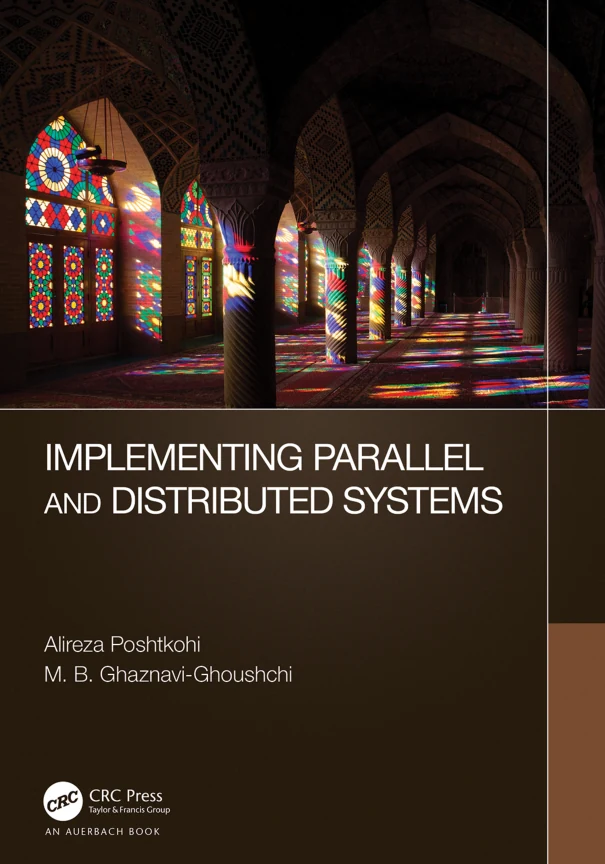
My research in modelling languages, compilers and parallel computing underpins the tools I now develop for physiology and mathematics. It also informs my book on implementing parallel and distributed systems.
I teach undergraduate and postgraduate computer science at the University of Hertfordshire, connecting programming, software engineering and computing systems with practical investigation.
Programming and program design, cloud computing and software engineering projects, supported by active learning and feedback.
BSc and MSc supervision, connecting research questions and literature with design, implementation, testing and critical evaluation.
Research training in mathematical modelling, numerical differential equations, high-performance computing and parallel simulation.
My research brings mathematical and computational development into dialogue with experimental physiology and pure mathematics.
Explore the publications, try the research tools, or get in touch about a question at the intersection of mathematics, physiology and computation.